
Which Is Better, Glycolic Or Mandelic Acid?
Understanding Glycolic Acid
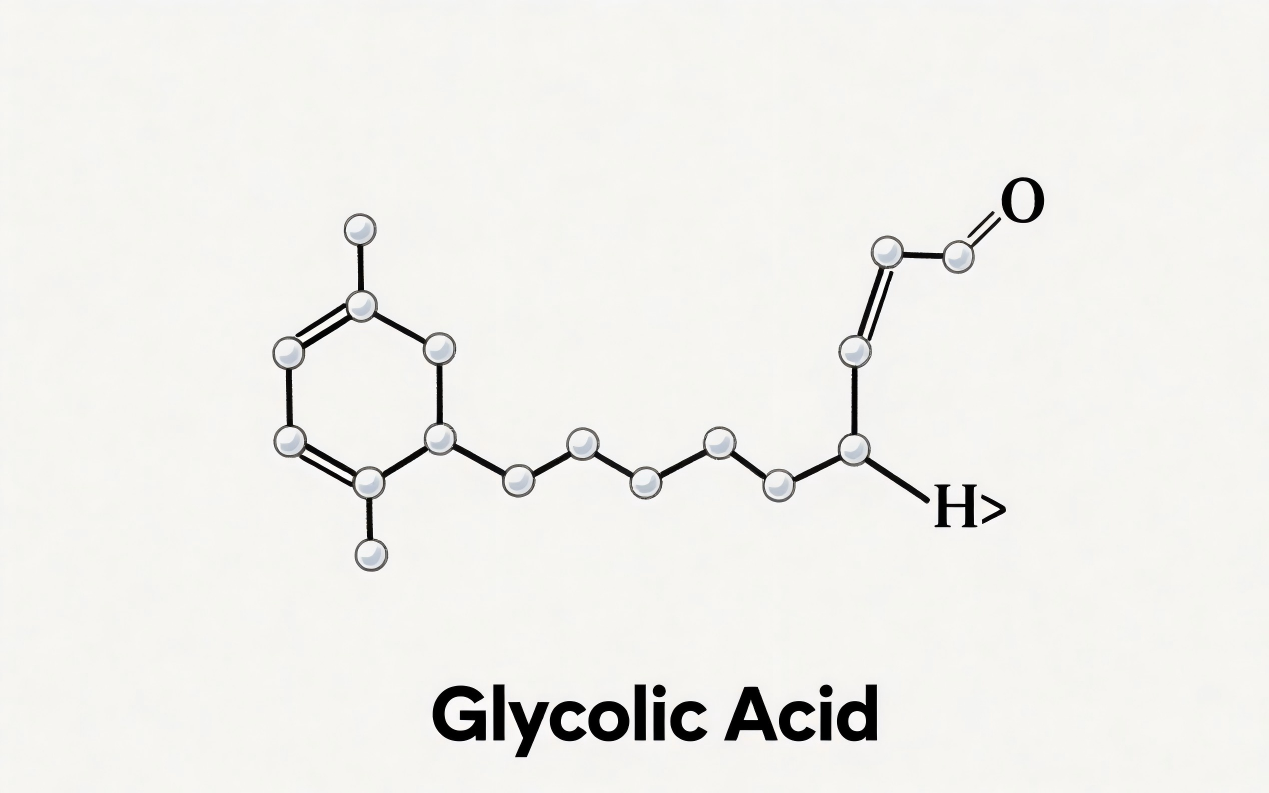
Glycolic acid is derived from sugarcane and is the smallest AHA molecule. This small size allows it to penetrate the skin quickly and deeply, making it highly effective at exfoliating the outermost layer of the skin.
Key Characteristics and Advantages
- Powerful Exfoliation: Due to its small molecular structure, glycolic acid can easily reach the deeper layers of the stratum corneum, breaking down the bonds between dead skin cells and promoting their shedding. This leads to a smoother, brighter complexion.
- Boosts Collagen Production: Studies have shown that glycolic acid can stimulate the production of collagen, a protein that helps maintain Skin elasticity and firmness. A research published in the Journal of Cosmetic Dermatology in 2018 found that regular use of glycolic acid peels increased collagen synthesis in the skin.
- Improves Skin Texture: It is effective in reducing the appearance of fine lines, wrinkles, and acne scars by improving skin texture and tone.
Diverse Applications of Glycolic Acid in Cosmetics
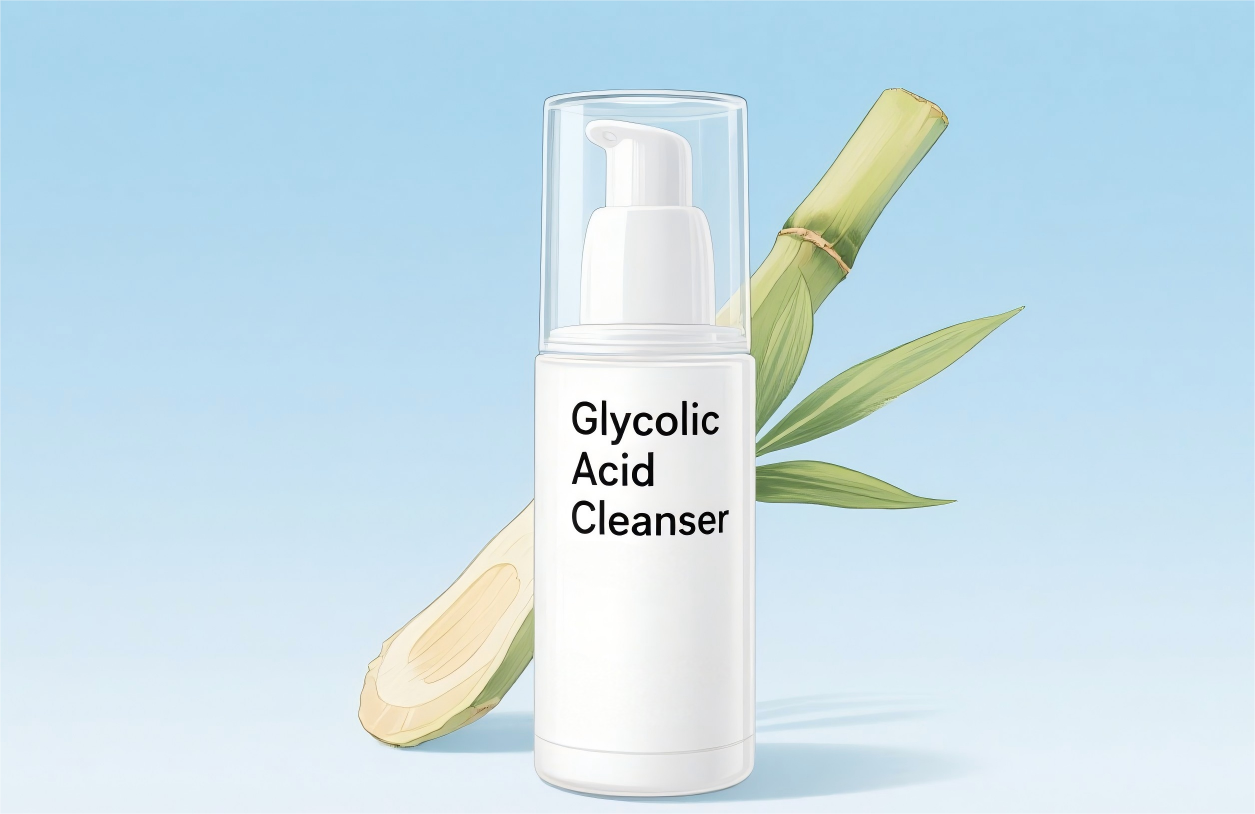
- Cleansing Products: Glycolic acid is often added to facial cleansers. These products can gently and deeply clean the skin, effectively removing makeup, oil, and impurities. Its powerful exfoliating effect helps clear away aging keratinocytes that clog pores, improving pore blockage issues, leaving the skin fresher and cleaner. At the same time, it can reduce skin dullness and pigmentation, and long-term use helps to present a younger-looking skin state.
- Toners: Light-textured glycolic acid toners have a refreshing and non-greasy feel. In addition to removing dead skin cells, reducing blackheads and keratin accumulation, they can also effectively moisturize the skin, balance water and oil, making the skin delicate and smooth.
- Serums: Some serums contain a higher concentration of glycolic acid, which can more intensively play its role in promoting collagen production and improving skin texture. By stimulating skin cell renewal, it effectively reduces fine lines and wrinkles, enhances skin elasticity, making the skin firmer and smoother. Such products are usually suitable for consumers with better skin tolerance and obvious anti-aging needs.
Understanding Mandelic Acid
Mandelic acid is an AHA derived from bitter almonds. It has a larger molecular structure compared to glycolic acid, which affects its penetration and action on the skin.
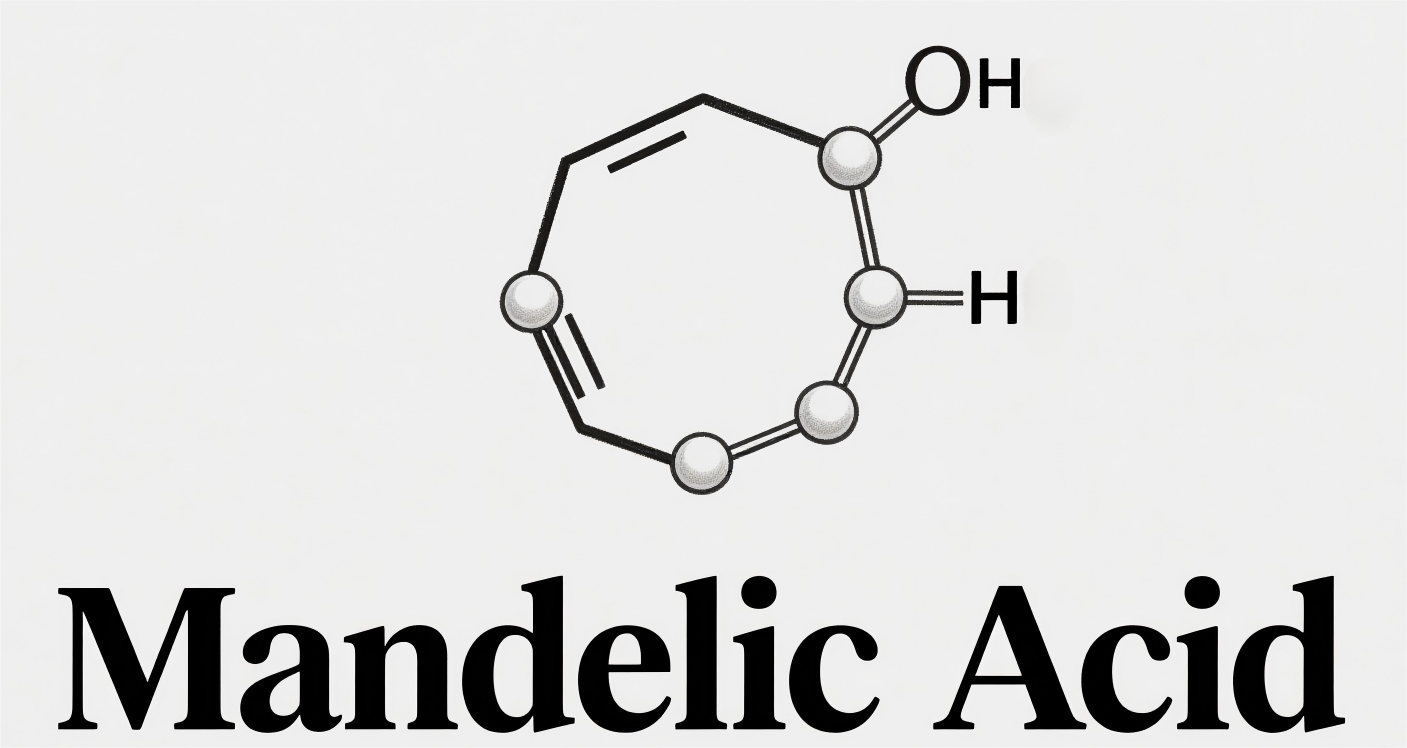
Key Characteristics and Advantages
Gentle Exfoliation: The larger molecule size means mandelic acid penetrates the skin more slowly and superficially, making it a gentler option. This makes it suitable for sensitive skin, as well as those with rosacea or acne-prone skin that is easily irritated.
Anti-Bacterial Properties: Mandelic acid has natural anti-bacterial properties, which can help reduce acne-causing bacteria on the skin. A study published in Skin Pharmacology and Physiology in 2019 demonstrated its effectiveness in inhibiting the growth of Propionibacterium acnes, the bacteria responsible for acne.
Brightening and Even-Toning: Like glycolic acid, mandelic acid can help brighten the skin and improve uneven skin tone by removing dead skin cells. It also has some melanin-inhibiting properties, which can help reduce the appearance of hyperpigmentation.
Rich Applications of Mandelic Acid in the Cosmetics Field
- Cleansing Products: When mandelic acid is used in cleansing products, it can gently clean the skin, removing surface dirt and excess oil. During the cleaning process, its exfoliating effect can promote the shedding of old dead skin cells, improve skin roughness, and at the same time, it will not over-stimulate the skin, making it suitable for daily cleaning of sensitive skin.
- Toners: Mandelic acid toners can regulate skin oil secretion and improve the water-oil balance of the skin on the basis of moisturizing. Its mild nature can effectively soothe the skin, reduce skin inflammation, and has a good soothing effect on skin that is prone to redness and sensitivity. Long-term use can also help brighten skin tone, making the skin more even and radiant.
- Serums: Serums containing mandelic acid usually add a variety of active ingredients to work synergistically. Its main effect is to inhibit tyrosinase activity, reduce melanin synthesis, and accelerate epidermal melanin metabolism, thereby effectively preventing post-sun pigmentation, fading acne marks and spots, and gradually making the skin tone even. At the same time, other nourishing ingredients in the serum can also provide sufficient nutrition for the skin and enhance the skin's resistance.
- Masks: Mandelic acid masks are divided into smear-type and sheet-type. Smear-type mandelic acid masks can form a nourishing film on the skin surface, allowing mandelic acid to fully act on the skin, exerting the effects of exfoliating, oil control, and improving skin tone. Sheet-type mandelic acid masks deliver active ingredients more accurately to the bottom layer of the skin through close contact with the skin, replenishing moisture to the skin while gently rejuvenating it, keeping the skin hydrated while refreshing.
Which One is Right for You?
Choose Glycolic Acid: You have normal to oily skin, are looking for a more powerful exfoliation to address signs of aging or rough skin texture, and can tolerate a stronger AHA. It works quickly to deliver visible results, but may require more caution with sun exposure and moisturization.
Choose Mandelic Acid: You have sensitive, dry, or acne-prone skin, or if you are new to using AHAs. Its gentle action reduces the risk of irritation, making it a good option for long-term use. It may take longer to see results compared to glycolic acid, but it is less likely to cause discomfort.
Conclusion
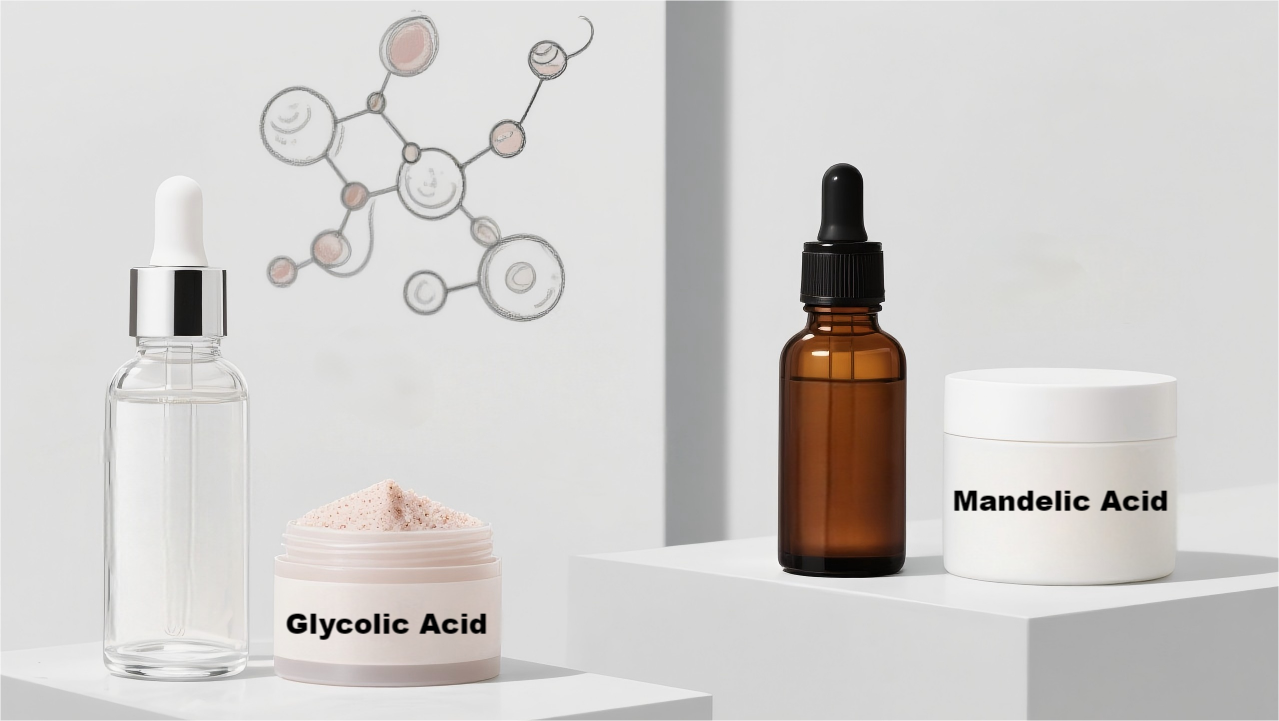
Both glycolic acid and mandelic acid offer valuable benefits for the skin, but their differences in molecular size and properties make them better suited for different skin types and concerns. Glycolic acid is a powerful exfoliator ideal for normal to oily skin, while mandelic acid is a gentle option perfect for sensitive or acne-prone skin. Ultimately, the "better" choice depends on your individual skin needs and goals.
- Name: Yuik
- E-mail: sales02@nahanutri.com
- WhatsApp:+8618066950297